
Cnc Machining

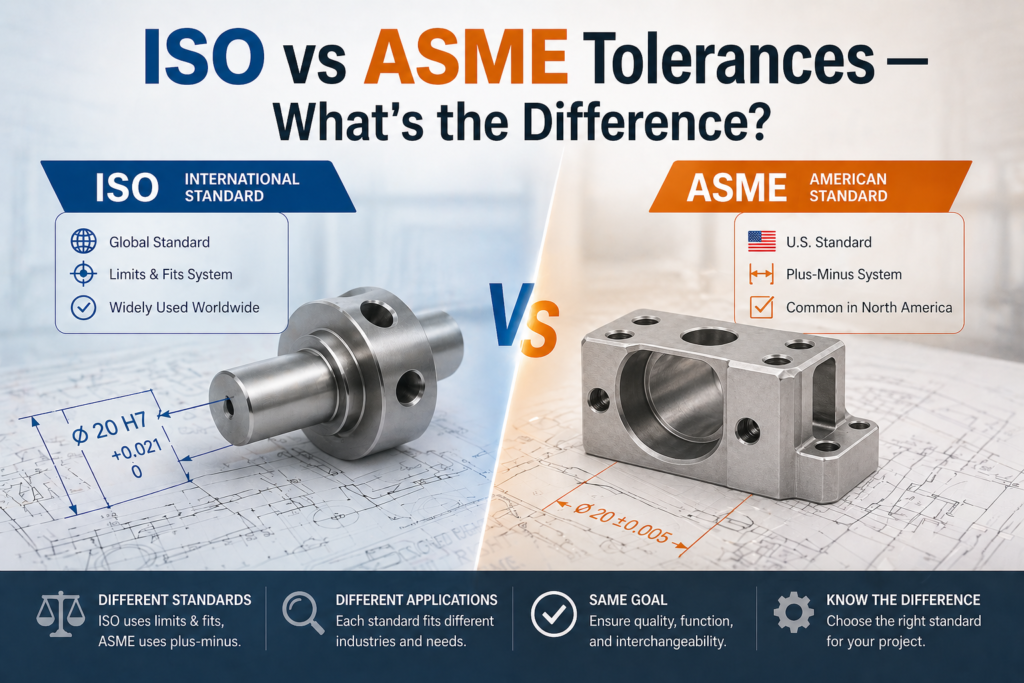
ISO vs ASME Tolerances in CNC Machining: What’s the Difference and Why It Matters

If you’ve sourced CNC machined parts internationally, you’ve likely encountered drawings or quotes that reference standards you didn’t recognize. ISO 2768. ASME Y14.5. H7/g6. RC3. These aren’t interchangeable — they come from different engineering drawing traditions, use different notation systems, and interpret tolerances differently in ways that can cause real problems if a supplier and […]

ISO vs ASME Tolerances in CNC Machining: What’s the Difference and Why It Matters Read More »

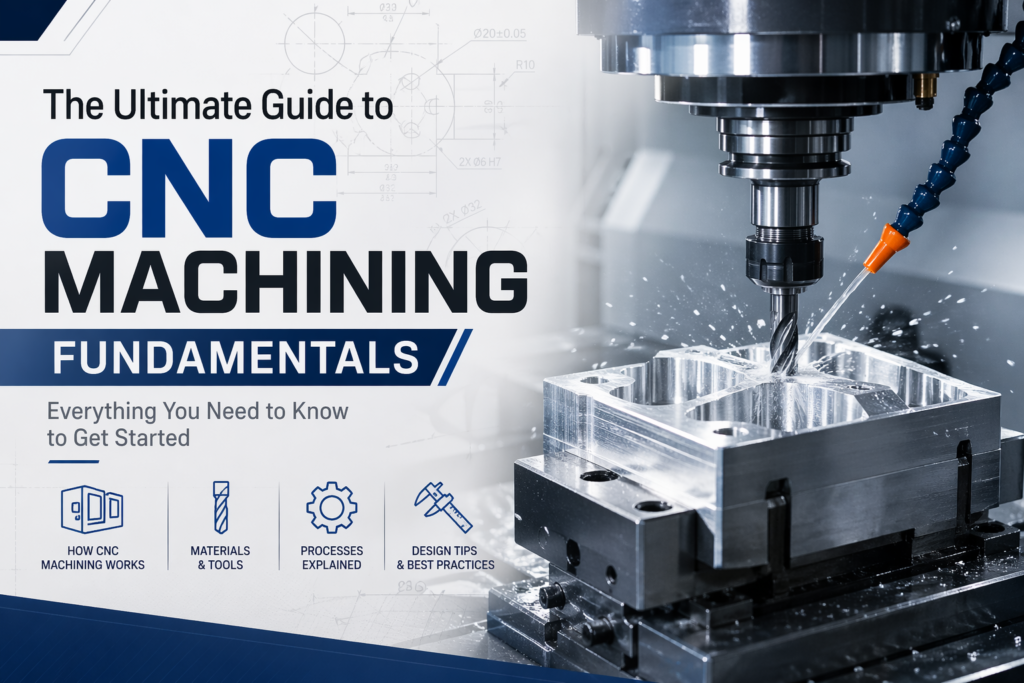
The Ultimate Guide to CNC Machining Fundamentals

In today’s hyper‑competitive manufacturing world, mastering CNC machining isn’t just a nice‑to‑have—it’s essential for scaling production, streamlining your supply chain, and cutting costs without sacrificing quality. This complete guide breaks down everything you need to know about CNC machining: how it works, key processes, material choices, cost drivers, and how to pick the best machining

The Ultimate Guide to CNC Machining Fundamentals Read More »

Sourcing CNC Machining: A Complete Tutorial for Procurement Managers

As a procurement manager, sourcing high-quality, cost-effective machined parts is one of the most critical parts of your supply chain strategy. Among today’s manufacturing options, CNC machining stands out for its precision, versatility, and repeatability. But navigating custom CNC manufacturing can feel complex. This guide gives you actionable insights to optimize costs, evaluate suppliers, and

Sourcing CNC Machining: A Complete Tutorial for Procurement Managers Read More »

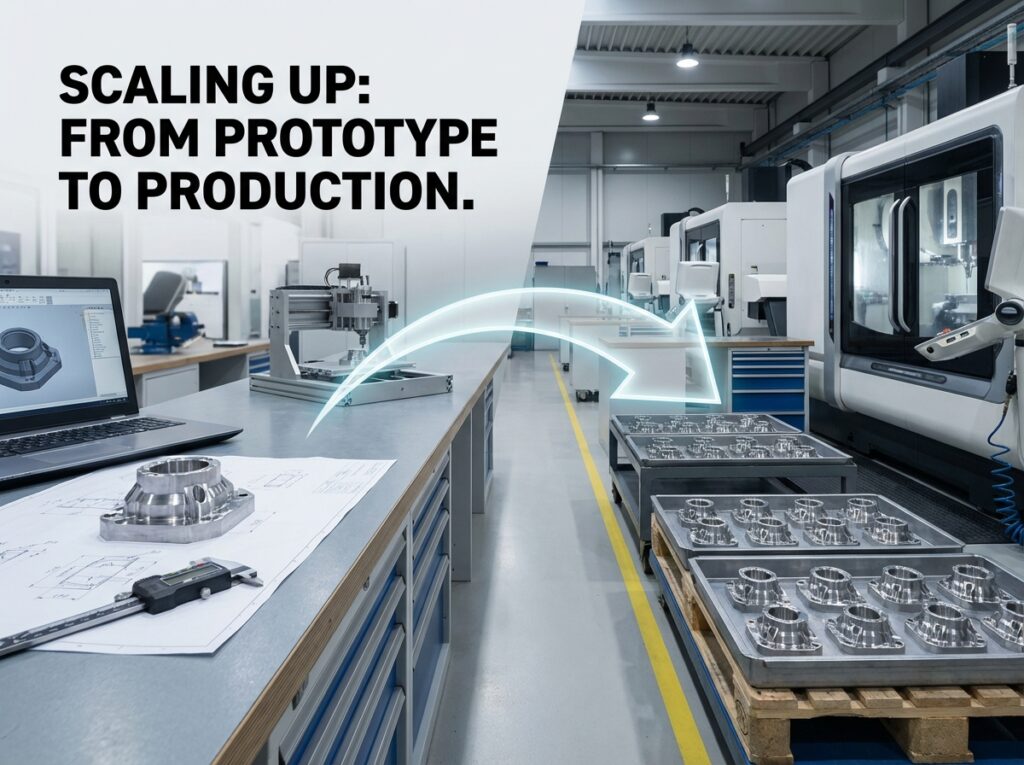
From Prototype to Production: How to Scale Your CNC Machined Parts Without Starting Over

Getting a CNC prototype made is relatively straightforward. Getting that prototype to production — with consistent quality, controlled costs, and a supplier who can scale with you — is where most product development teams encounter unexpected friction. The gap between a working prototype and a production-ready part is wider than it looks. Material substitutions, drawing

From Prototype to Production: How to Scale Your CNC Machined Parts Without Starting Over Read More »

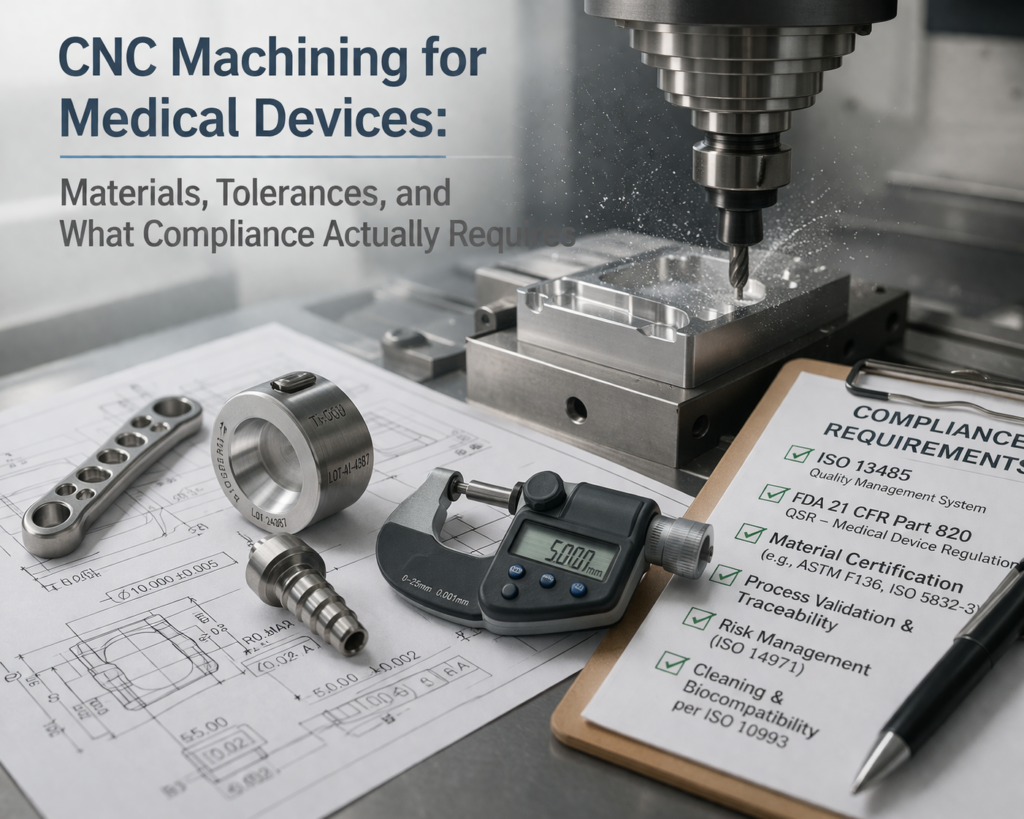
CNC Machining for Medical Devices: Materials, Tolerances, and What Compliance Actually Requires

CNC machining for medical devices operates under a fundamentally different set of requirements than general industrial machining. It’s not just about tighter tolerances — though those matter. It’s about material traceability, biocompatibility, sterilization compatibility, surface finish control, and the documentation discipline required by regulatory frameworks like ISO 13485 and FDA 21 CFR Part 820. This

CNC Machining for Medical Devices: Materials, Tolerances, and What Compliance Actually Requires Read More »

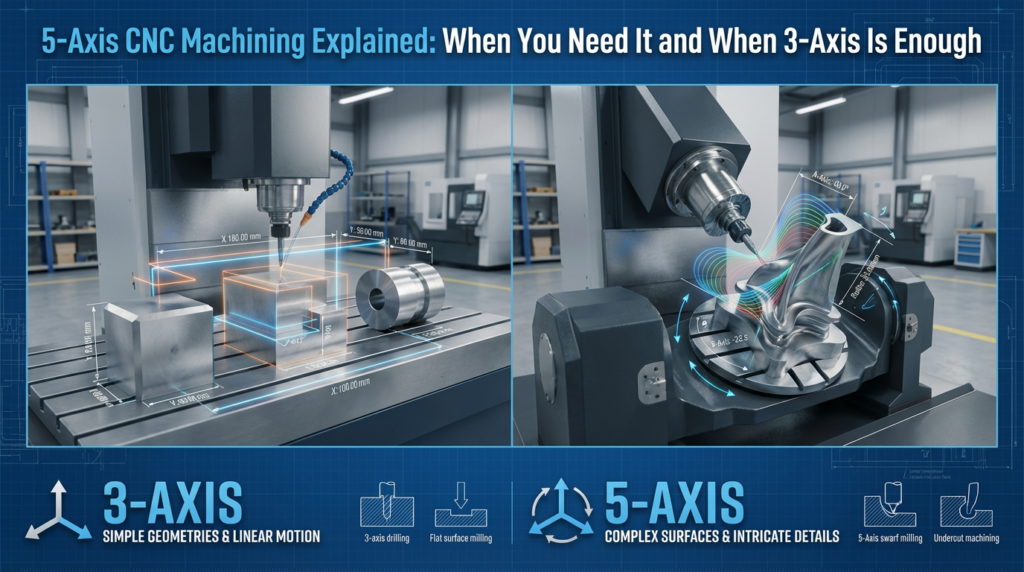
5-Axis CNC Machining Explained: When You Need It and When 3-Axis Is Enough

Five-axis CNC machining gets talked about as if it’s automatically better than three-axis. It isn’t — it’s more capable for certain geometries, but it comes with higher machine rates and longer programming time. Specifying 5-axis machining for a part that doesn’t need it is an unnecessary cost. Not specifying it for a part that does

5-Axis CNC Machining Explained: When You Need It and When 3-Axis Is Enough Read More »

Choosing CNC Machining Materials by Application: What Works in Aerospace, Medical, Industrial & More

Most material selection guides start with the material and work toward the application. This one does the opposite — because that’s how engineers actually think when they sit down to spec a part. You know what it needs to do. The question is what it should be made of. Here’s a practical breakdown of the

Choosing CNC Machining Materials by Application: What Works in Aerospace, Medical, Industrial & More Read More »

How to Specify Tolerances on CNC Machining Drawings: A Practical Guide for Engineers

A CNC machining drawing is a contract between you and your manufacturer. When it’s clear, complete, and correctly toleranced, everything runs smoothly. When it’s ambiguous, over-constrained, or missing key callouts, you get late quotes, production delays, and parts that don’t work — even when the machining was technically correct.
This guide covers the practical mechanics of tolerancing a CNC machining drawing correctly: what to specify, where to apply tight tolerances, how to use GD&T effectively, and the mistakes that cost engineers the most time and money.

How to Specify Tolerances on CNC Machining Drawings: A Practical Guide for Engineers Read More »

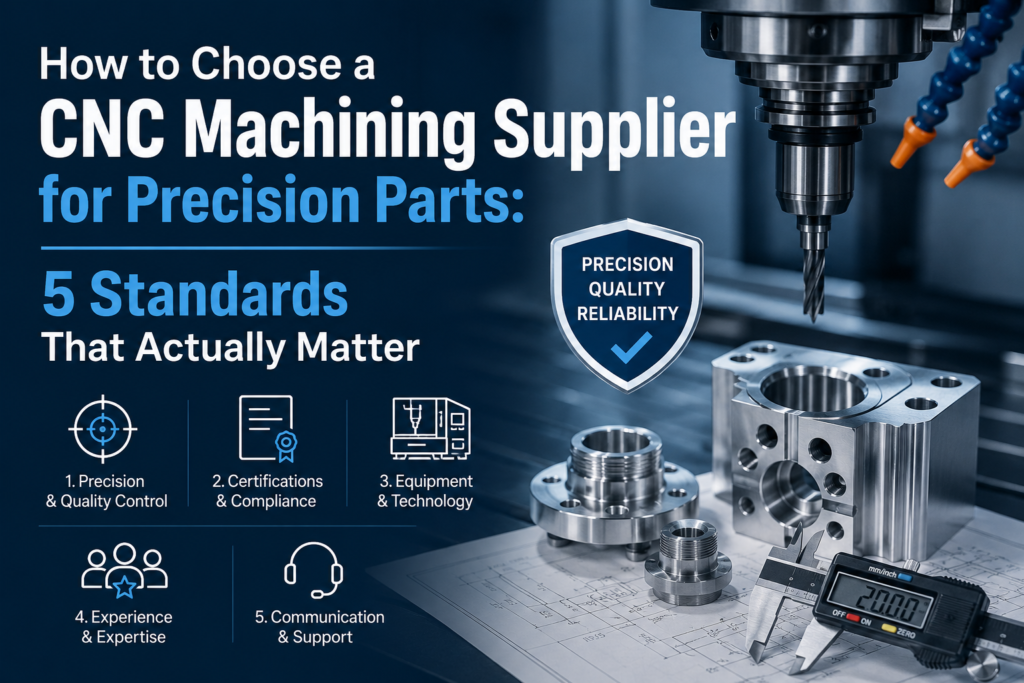
How to Evaluate a CNC Machining Supplier: 7 Questions Every Buyer Should Ask

Finding a CNC machining supplier is easy. Finding one you can trust with production parts, tight deadlines, and zero-defect requirements is a different challenge entirely. The global market is flooded with options — from local job shops to overseas factories — and the difference between a reliable long-term partner and a costly mistake often isn’t

How to Evaluate a CNC Machining Supplier: 7 Questions Every Buyer Should Ask Read More »

How to Choose the Right Surface Finish for Your CNC Machined Parts

When designing a CNC-machined component, dimensional accuracy and material selection often get the most attention. However, one factor that significantly affects performance, durability, and appearance is often overlooked — surface finishing. The right surface finish can transform a machined part by improving corrosion resistance, strengthening the surface, enhancing appearance, or preparing it for later assembly

How to Choose the Right Surface Finish for Your CNC Machined Parts Read More »

Scroll to Top