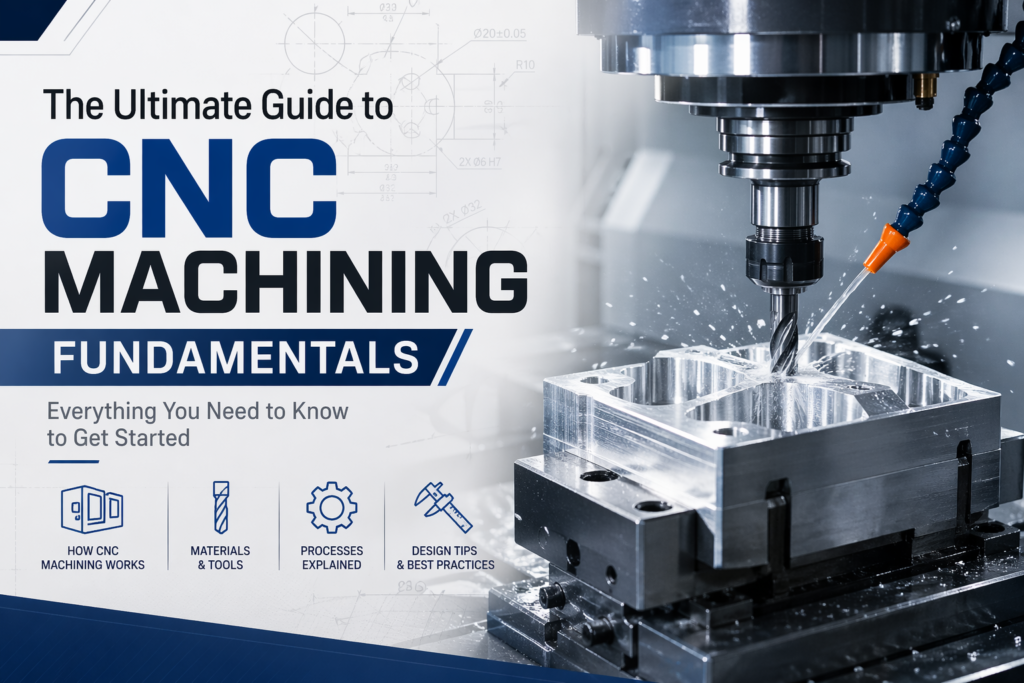
In today’s hyper‑competitive manufacturing world, mastering CNC machining isn’t just a nice‑to‑have—it’s essential for scaling production, streamlining your supply chain, and cutting costs without sacrificing quality.
This complete guide breaks down everything you need to know about CNC machining: how it works, key processes, material choices, cost drivers, and how to pick the best machining partner. By the end, you’ll make smarter sourcing decisions, negotiate better, and hit your production goals on time and on budget.
What Is CNC Machining? The Core Process Explained
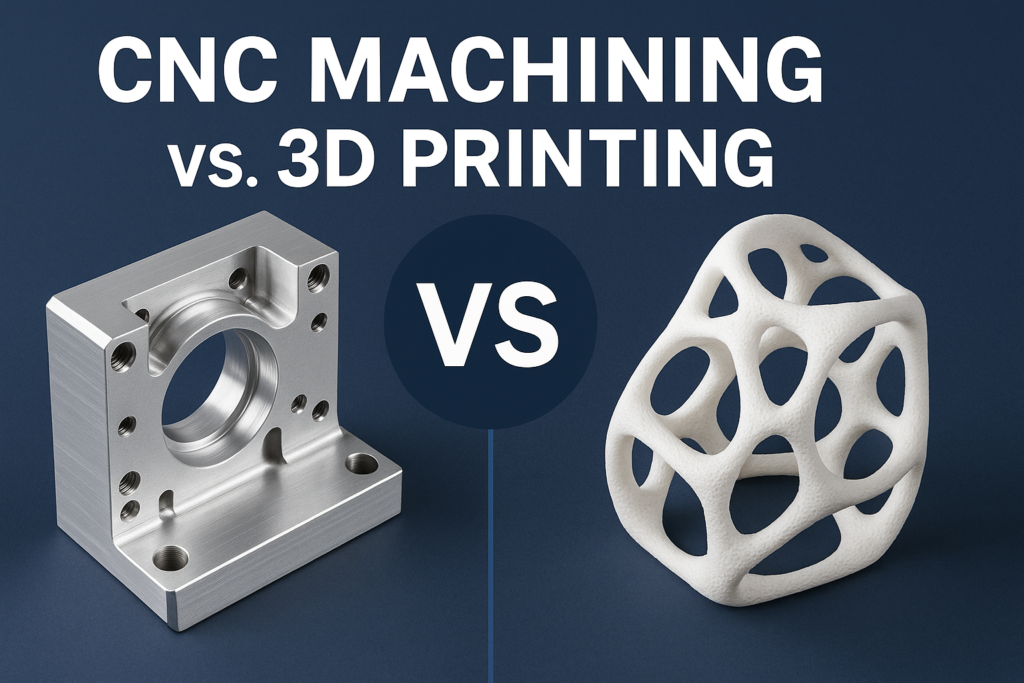
CNC (Computer Numerical Control) machining is a precise subtractive manufacturing method. Unlike 3D printing (which adds material layer by layer), CNC starts with a solid block of material and carves away excess to create your final part.
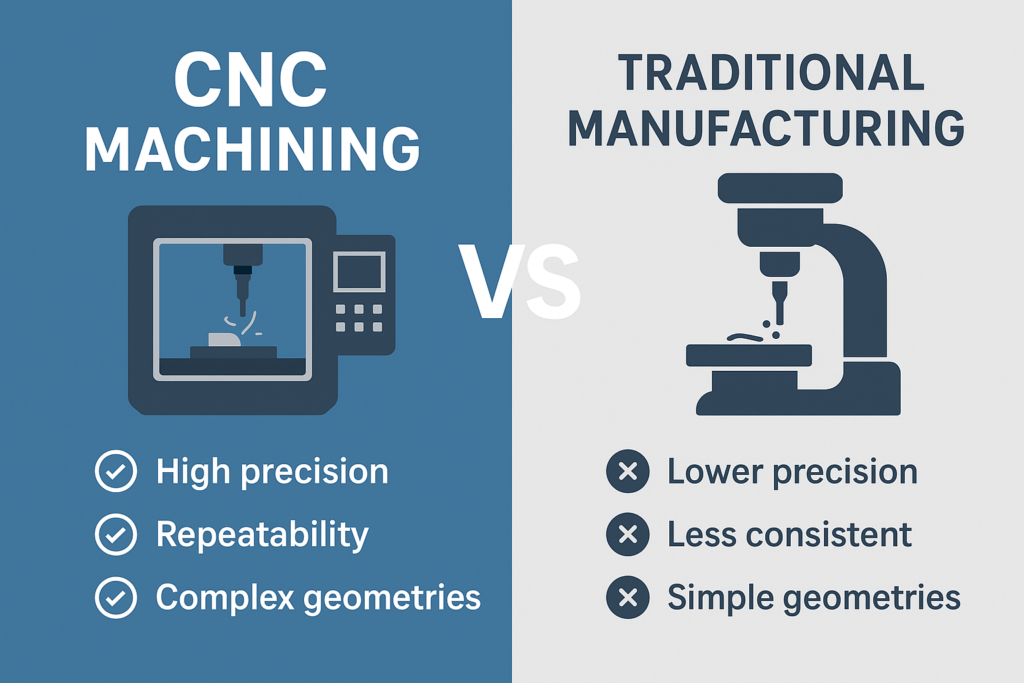
The result: consistent, repeatable, complex parts that manual machining can’t match.
Primary CNC Operations: Milling vs. Turning
CNC machining has two core processes—knowing the difference helps you choose the right method for your parts.
CNC Milling
CNC Turning
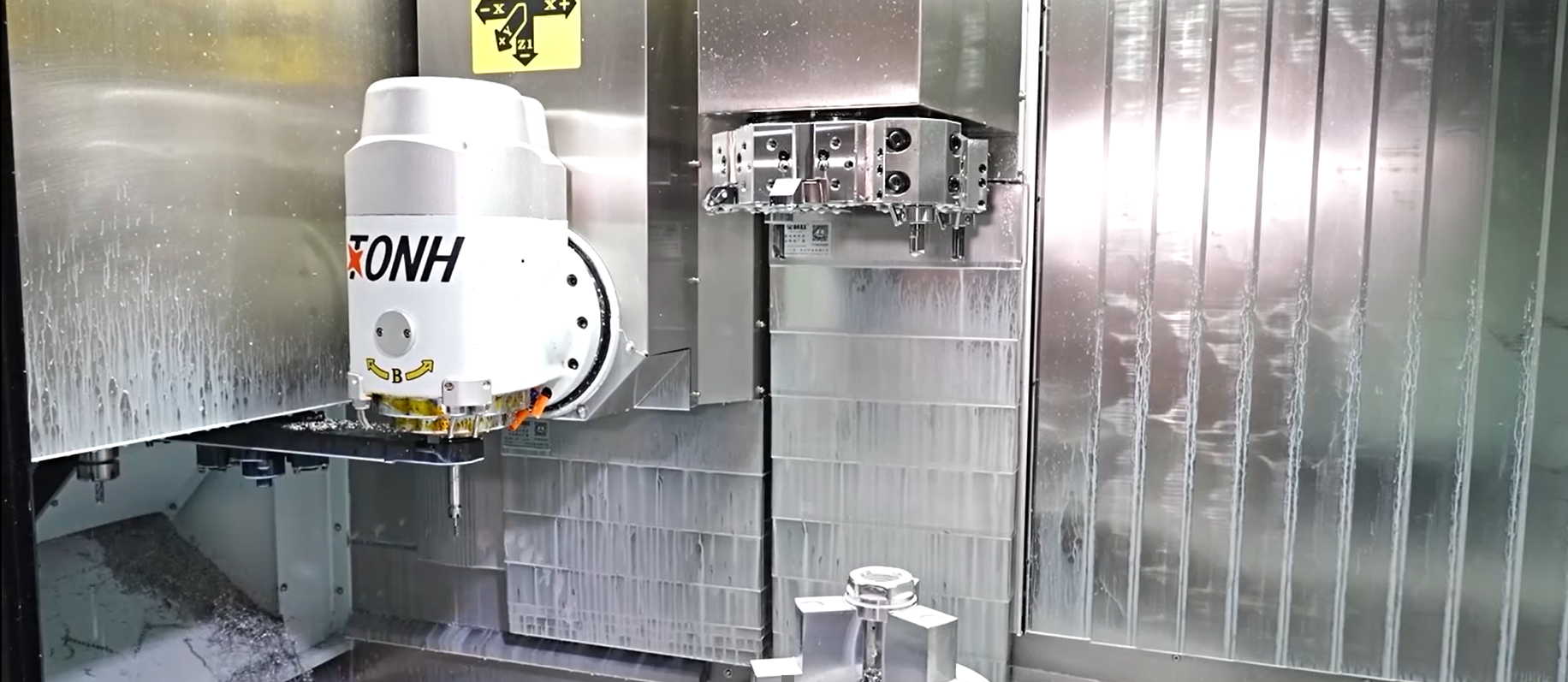
T-one's mill-turn center
Material Selection: Balance Performance & Cost
Your material choice directly impacts part performance, durability, and price. Materials with better machinability cut faster and cost less.
Aluminum (6061, 7075)
Stainless Steel (304, 316)
Engineering Plastics (Delrin, PEEK, Polycarbonate)
Tolerances & Surface Finishes: How They Impact Your ROI
Tight tolerances and premium finishes look great—but they cost money. Don’t over‑specify!
Tolerances
Surface Finishes
Key Cost Drivers in CNC Machining
Understand these to control your budget and design for lower costs:
1. Part complexity
Deep pockets, undercuts, and sharp corners need more setups or 5‑axis machining → higher cost.
2. Machine time
Harder materials + more material to remove = longer run time.
3. Setup cost
A large portion of low‑volume pricing. Larger batches spread setup cost across more parts.
4. Raw material cost
Standard aluminum = affordable. Titanium / Inconel = expensive to buy and machine.
CNC Machining vs. 3D Printing: Which to Choose?
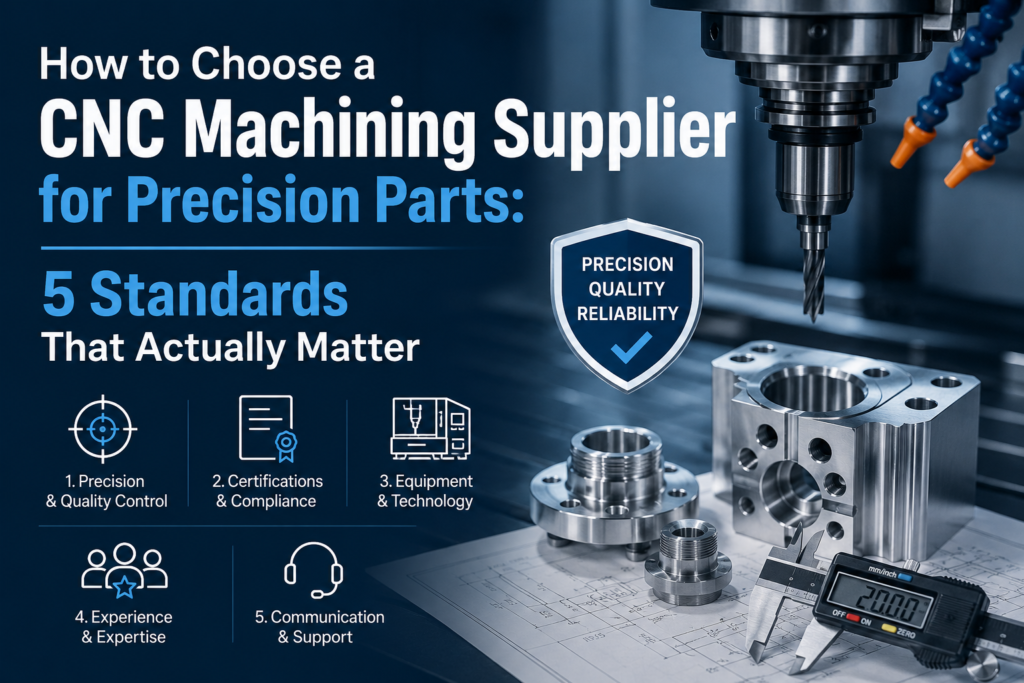
How to Select a Reliable CNC Machining Partner
Don’t just pick the cheapest quote—choose a long‑term partner.
Frequently Asked Questions (FAQ)
Conclusion & Next Steps
CNC machining knowledge gives you real power: better decisions, lower costs, fewer supply chain headaches, and higher‑quality parts.
The cheapest quote isn’t always the best value. Focus on quality, reliability, and expertise—and partner with shops that offer free DFM feedback to optimize your design.