As a procurement manager, sourcing high-quality, cost-effective machined parts is one of the most critical parts of your supply chain strategy. Among today’s manufacturing options, CNC machining stands out for its precision, versatility, and repeatability. But navigating custom CNC manufacturing can feel complex.
This guide gives you actionable insights to optimize costs, evaluate suppliers, and streamline your machined parts sourcing process—without the jargon, without the hassle.
What Is CNC Machining & Why It Matters for Procurement
CNC (Computer Numerical Control) machining is a subtractive manufacturing process where computer software controls factory tools and machinery to cut raw material into finished parts.
Whether you’re sourcing prototypes or high-volume production runs, knowing CNC fundamentals helps you make smarter decisions, negotiate better pricing, and reduce supply chain risks.
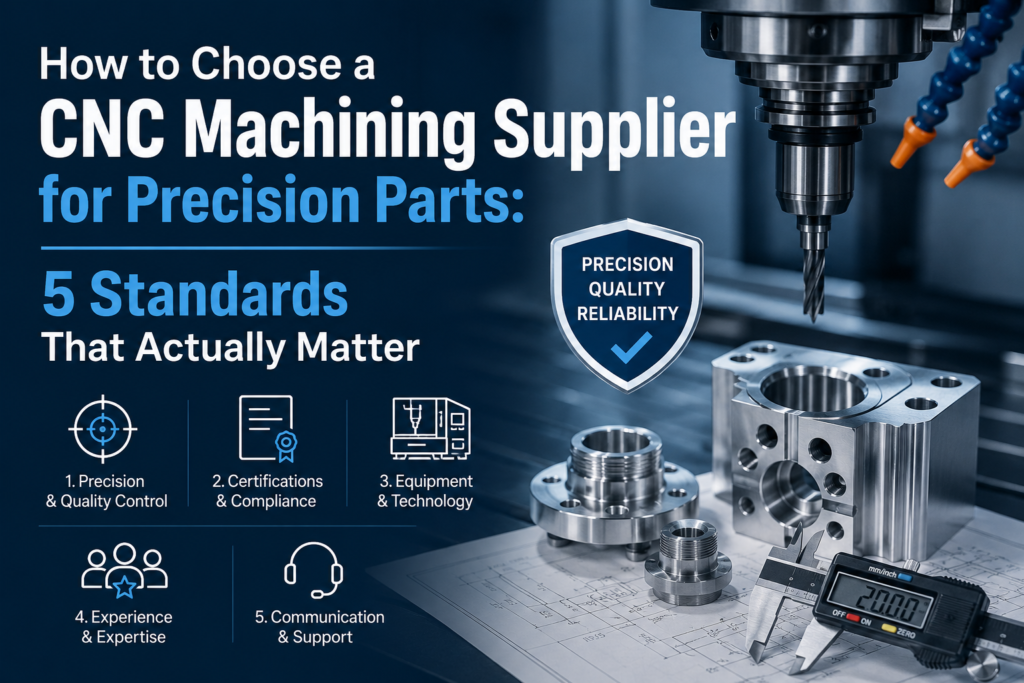
How to Evaluate CNC Machining Suppliers (The Right Way)
Finding a reliable CNC partner isn’t just about comparing quotes. The best suppliers act as an extension of your team. Use these criteria to audit and select partners:
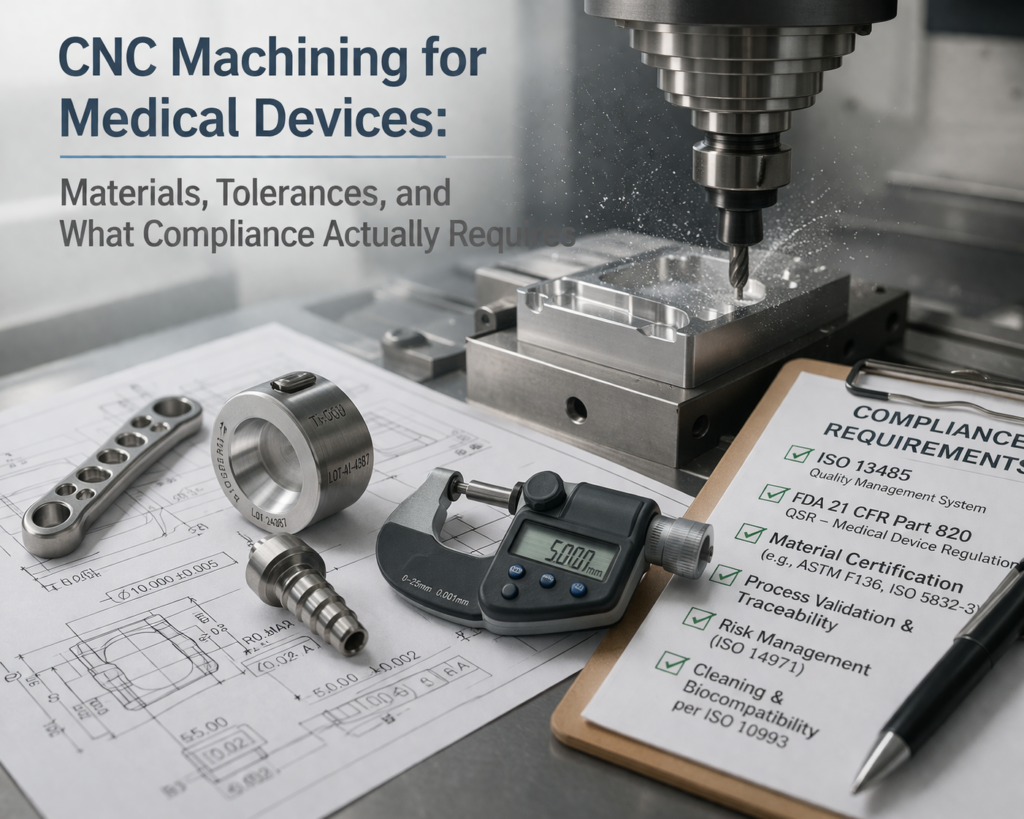
1. Certifications & Quality Standards
2. Technological Capabilities
Check if they offer modern multi-axis machining equipment. Suppliers with up-to-date machines can handle complex geometries faster and more accurately.
3. Production Capacity
Confirm their machine count, operating shifts, and ability to scale with your demand. This ensures they can meet tight deadlines without delays.
4. Material Expertise
Choose partners with proven experience in your required materials—from standard aluminum and stainless steel to exotic alloys and engineering plastics.
Proven Cost Optimization Strategies for CNC Machining
CNC machining delivers exceptional precision, but poor planning can drive up costs. Use these strategies to lower per-unit prices without sacrificing quality:
1. Relax Non-Critical Tolerances
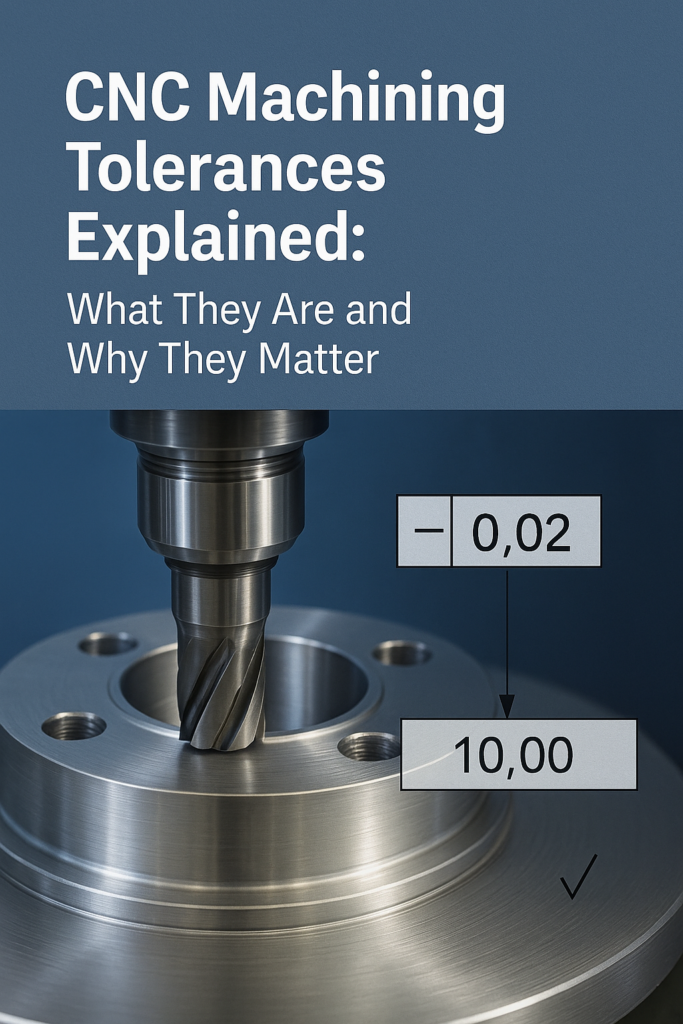
Tight tolerances require special tools, slower speeds, and extra inspection. Only use strict tolerances on critical mating surfaces.
2. Optimize Batch Sizes
CNC has significant setup costs. Larger orders spread setup costs across more parts, drastically lowering unit price.
3. Use Standard Materials
Common materials like Aluminum 6061 or Stainless Steel 304 are cheaper and faster to source than rare or custom alloys.
4. Simplify Part Design
Deep pockets, sharp internal corners, and ultra-thin walls increase machining time and tool wear. Work with engineering on DFM (Design for Manufacturability) to streamline parts.
3‑Axis vs. 5‑Axis CNC Machining: What Procurement Needs to Know
Choosing the right machine type directly impacts cost and lead time. Match equipment to part complexity to avoid overpaying or slowing production.
Quality Assurance & Lead Time Management
A strong CNC procurement strategy depends on reliable quality and predictable timelines.
Quality Checks You Should Always Use
Lead Time Best Practices
FAQs: CNC Machining Sourcing for Procurement Managers
1. What’s the standard lead time for CNC machining?
Standard lead times: 2–4 weeks, depending on complexity, material, and supplier capacity.Expedited services: 3–5 days (usually at a premium).
2. How do I verify part quality?
3. Is CNC cheaper than 3D printing?
Low-volume, complex internal geometries: 3D printing often cheaperHigher quantities, better finish, structural materials: CNC is more cost-effective
4. Why does material affect cost so much?
Harder materials (like titanium) cut slower and wear tools faster, increasing hourly costs. Softer materials (aluminum, plastics) are faster and cheaper to machine.
Final Thoughts
Mastering CNC machining procurement is one of the fastest ways to strengthen your supply chain. By understanding supplier capabilities, using cost-saving tactics, and prioritizing quality, you can secure high-precision parts on time and within budget.
Remember: The cheapest quote isn’t always the best value. Reliability, quality, and clear communication matter just as much.
Ready to simplify your custom CNC machining procurement?