How to Choose the Right Surface Finish for Your CNC Machined Parts

When designing a CNC-machined component, dimensional accuracy and material selection often get the most attention. However, one factor that significantly affects performance, durability, and appearance is often overlooked — surface finishing. The right surface finish can transform a machined part by improving corrosion resistance, strengthening the surface, enhancing appearance, or preparing it for later assembly […]

How to Choose the Right Surface Finish for Your CNC Machined Parts Read More »

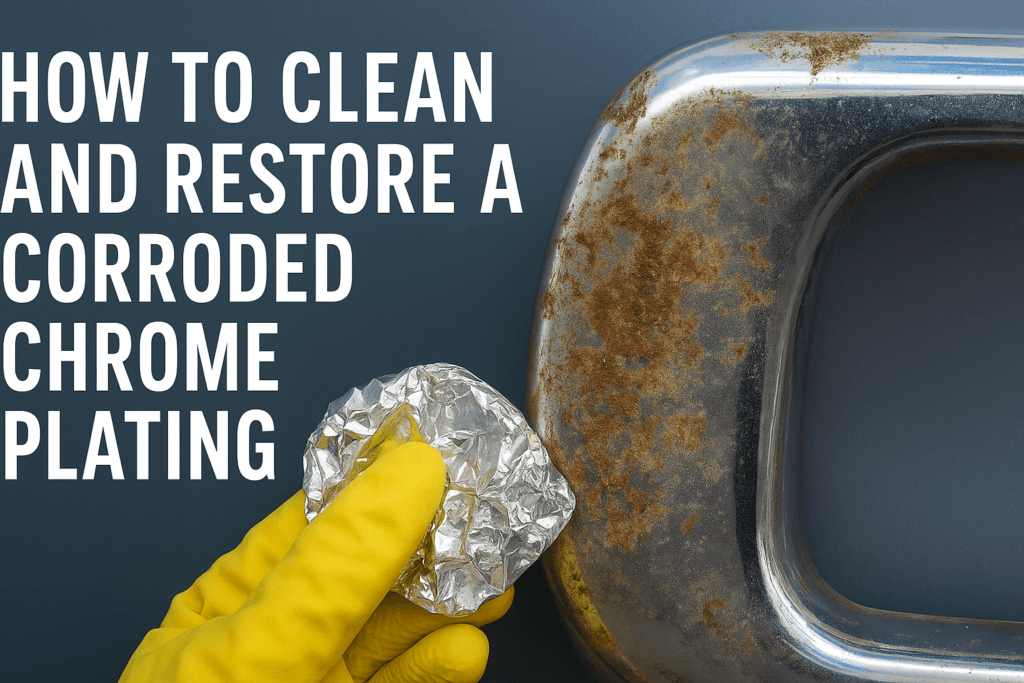
How to Clean and Restore a Corroded Chrome Plating

Chrome plating is widely used in automotive, industrial, and decorative applications due to its mirror-like finish, corrosion resistance, and durability. However, over time, even chrome-plated surfaces can develop rust spots, oxidation, or corrosion, especially when exposed to moisture or harsh environments. In this article, we’ll explain why chrome corrodes, how to safely clean it, and

How to Clean and Restore a Corroded Chrome Plating Read More »

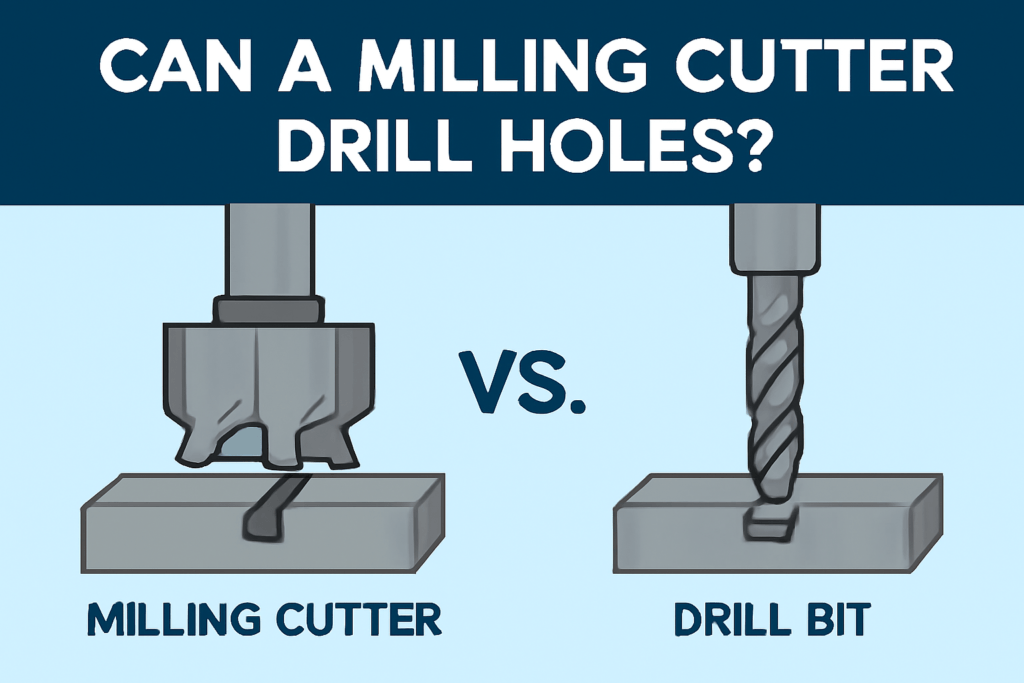
Can a Milling Cutter Drill Holes? Exploring Milling vs. Drilling

When it comes to CNC machining, one common question we often hear is: Can a milling cutter be used to drill holes? While the answer is yes, the process and capabilities of milling cutters and drill bits differ. In this blog, we’ll explore the differences between milling cutters and drill bits, and when to use each tool in your machining process.

Can a Milling Cutter Drill Holes? Exploring Milling vs. Drilling Read More »

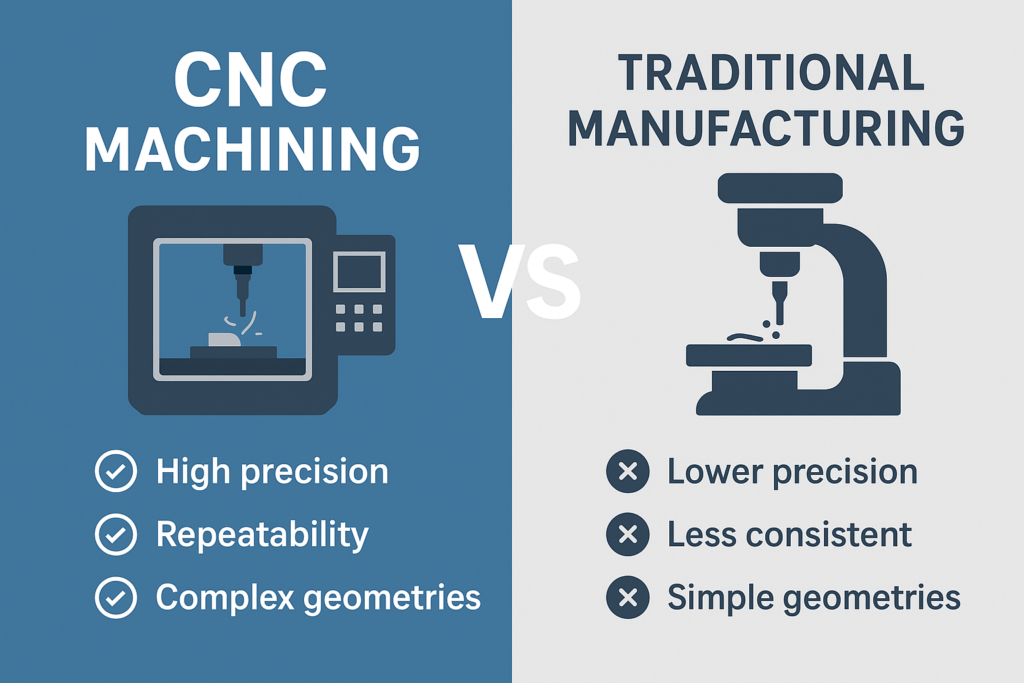
The Advantages of CNC Machining Over Traditional Manufacturing

In the evolving world of manufacturing, precision, speed, and efficiency play critical roles in determining success. Among the many production methods available today, CNC machining has proven to be one of the most reliable and effective compared to traditional manufacturing techniques. But what exactly makes CNC machining superior, and why should businesses consider it over conventional processes? Let’s dive into the key advantages.

The Advantages of CNC Machining Over Traditional Manufacturing Read More »

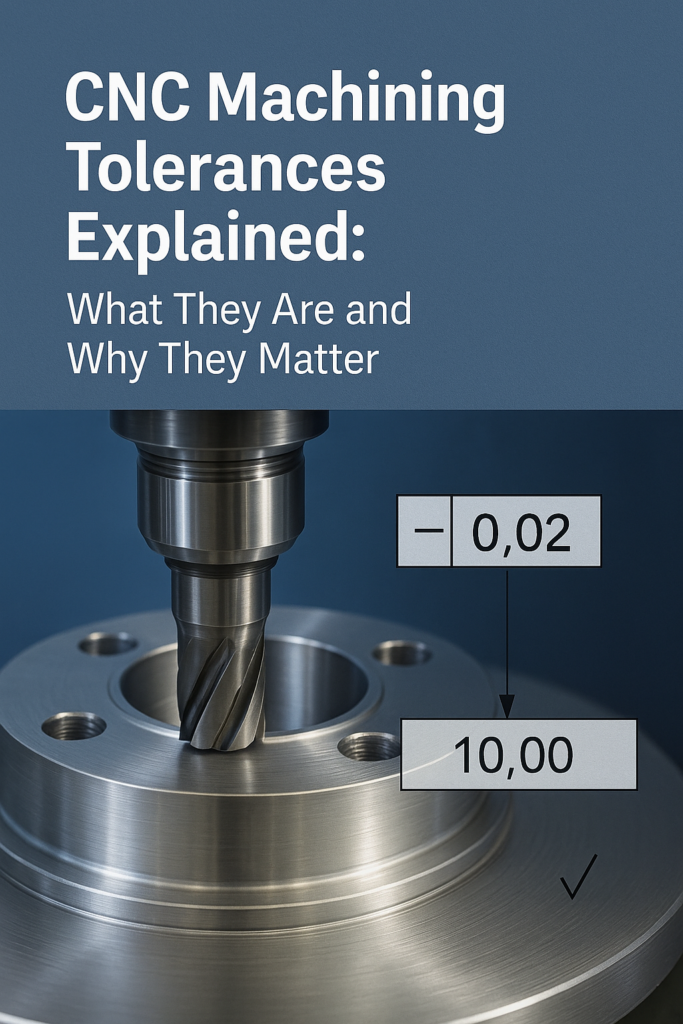
CNC Machining Tolerances Explained: What They Are and Why They Matter

When it comes to precision manufacturing, few terms are as important—or as misunderstood—as tolerances. Whether you’re creating a prototype or mass-producing parts, understanding CNC machining tolerances is essential to ensuring your parts fit, function, and last as intended. In this article, we break down what tolerances mean in CNC machining, the different tolerance grades, and

CNC Machining Tolerances Explained: What They Are and Why They Matter Read More »

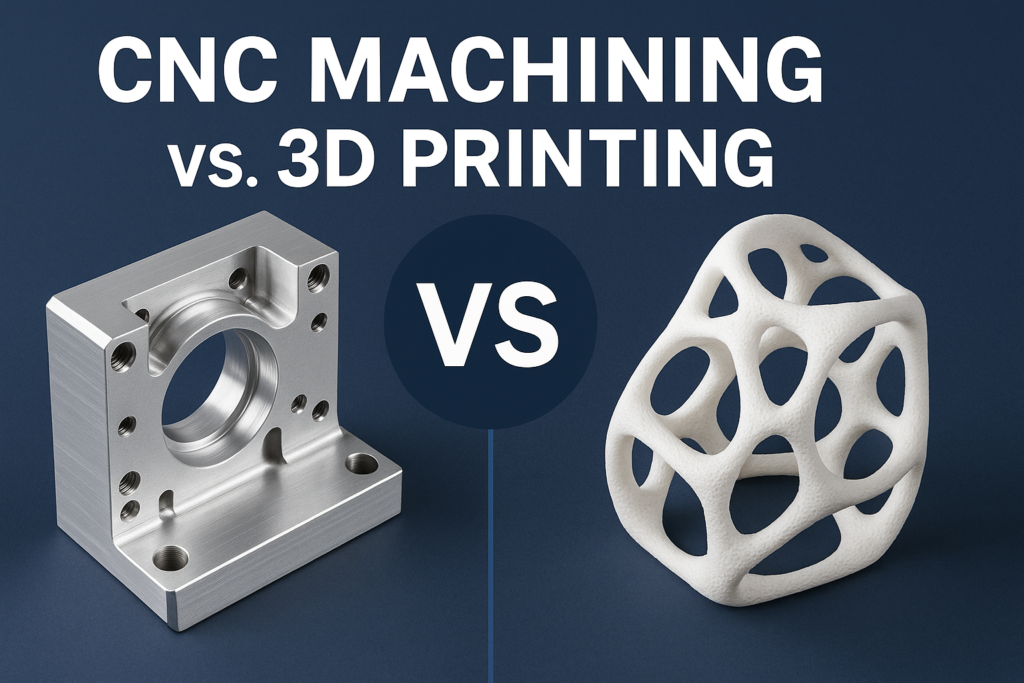
CNC Machining vs. 3D Printing: Which Manufacturing Process is Right for You?

As manufacturing continues to evolve, two technologies stand out for their innovation and versatility: CNC machining and 3D printing. Each method has its strengths, and choosing the right one depends on your project’s specific needs.In this article, we’ll break down the key differences between CNC machining and 3D printing to help you make an informed decision.

CNC Machining vs. 3D Printing: Which Manufacturing Process is Right for You? Read More »

How to Ensure the Quality of Sheet Metal Processing?

Ensuring high-quality sheet metal processing is critical for meeting customer expectations and maintaining a competitive edge in the manufacturing industry. It involves a comprehensive approach—from operator skills to machine maintenance and quality systems. Below is a detailed guide outlining key methods to guarantee product quality throughout the sheet metal fabrication process. 1. Operator Management and

How to Ensure the Quality of Sheet Metal Processing? Read More »

Is machined aluminum stronger than cast aluminum?

Ensuring the right choice between machined aluminum and cast aluminum is crucial in industries such as aerospace, automotive, and precision engineering. Strength is often the deciding factor, but the answer isn’t as simple as picking one over the other. Both materials have unique properties influenced by alloy type, processing methods, and intended applications. In this

Is machined aluminum stronger than cast aluminum? Read More »

Plastic Injection Molding Process Explained: Step-by-Step Guide for Manufacturers

Plastic injection molding is one of the most widely used manufacturing processes in the production of plastic components, known for its efficiency, repeatability, and precision. This process is essential in industries such as automotive, electronics, medical devices, consumer goods, and industrial equipment. In this article, we will explore the complete process flow of plastic injection molding, from raw material preparation to mold maintenance, helping you understand each critical stage involved in producing high-quality plastic parts.

Plastic Injection Molding Process Explained: Step-by-Step Guide for Manufacturers Read More »

Scroll to Top