Chrome plating is widely used in automotive components, industrial machinery parts, and precision metal assemblies due to its hardness, wear resistance, and stable surface finish.
However, in real manufacturing and long-term industrial use, chrome plating failures such as corrosion, peeling, and pitting can still occur. These issues are not cosmetic alone—they often indicate underlying process, material, or surface preparation problems.
This article explains the main failure mechanisms of chrome plating and how industrial suppliers address them through rework and replating processes.
1. Common Causes of Chrome Plating Failure
Chrome plating is typically applied as a thin protective layer over materials such as steel, copper, or nickel. When failures occur, the root cause is usually not the chrome layer itself, but the underlying system.
1.1 Inadequate Surface Preparation
Before plating, the substrate must be properly cleaned, polished, and activated. Any contamination such as oil, oxidation, or residue can significantly reduce adhesion strength.
1.2 Underlayer Defects
Most industrial chrome plating systems rely on a nickel or copper underlayer. If this layer is uneven or poorly bonded, the chrome surface will eventually fail.
1.3 Coating Thickness Variation
Non-uniform plating thickness can lead to weak zones, especially on edges and complex geometries.
1.4 Substrate Quality Issues
Porosity or impurities in the base metal can cause corrosion to propagate beneath the coating.
2. Typical Chrome Plating Failure Modes
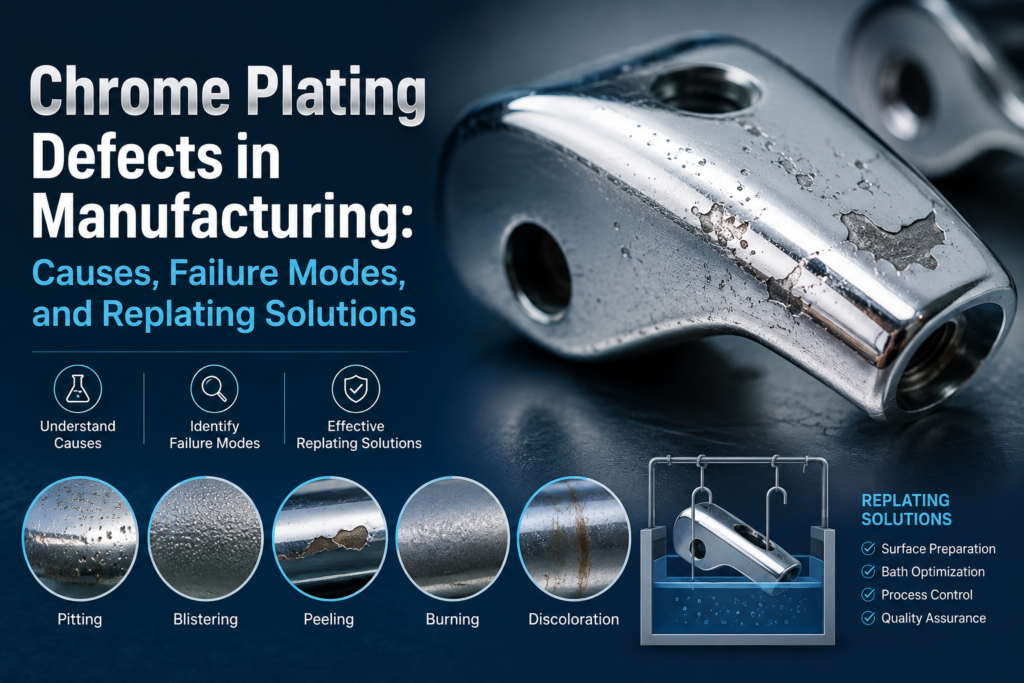
In industrial inspection, chrome plating defects generally fall into the following categories:
2.1 Pitting Corrosion
Small localized corrosion points caused by surface contamination or coating defects.
2.2 Peeling or Delamination
The chrome layer separates from the substrate due to poor adhesion or stress mismatch.
2.3 Blistering
Gas or moisture trapped beneath the coating causes surface bubbles.
2.4 Edge Wear or Corrosion
Edges and high-stress areas often fail first due to thinner coating coverage.
3. When Chrome Plating Can Be Repaired vs Reworked
Not all chrome defects can be corrected through surface treatment alone. In industrial applications, the decision depends on functional requirements and inspection standards.
Repair may be possible when:
- Surface defects are minor and superficial
- No exposure of base metal
- No dimensional tolerance impact
Replating or full rework is required when:
- Base metal is exposed
- Deep pitting or peeling is present
- Adhesion failure is detected
- Functional or dimensional performance is affected
In these cases, simple polishing or cleaning is not sufficient to restore performance.
4. Industrial Replating and Restoration Process
When chrome plating fails beyond acceptable limits, professional rework is required. Typical industrial restoration includes:
4.1 Coating Removal
The damaged chrome layer is completely stripped using controlled chemical or mechanical processes.
4.2 Surface Reconditioning
The base material is re-polished and cleaned to restore surface integrity before reprocessing.
4.3 Re-electroplating
A new plating system is applied, often including nickel and chrome layers for improved durability.
4.4 Quality Inspection
Final parts are inspected for:
- Coating thickness consistency
- Adhesion strength
- Surface finish quality
- Visual defect control
5. Manufacturing Capabilities Behind Reliable Chrome Plating
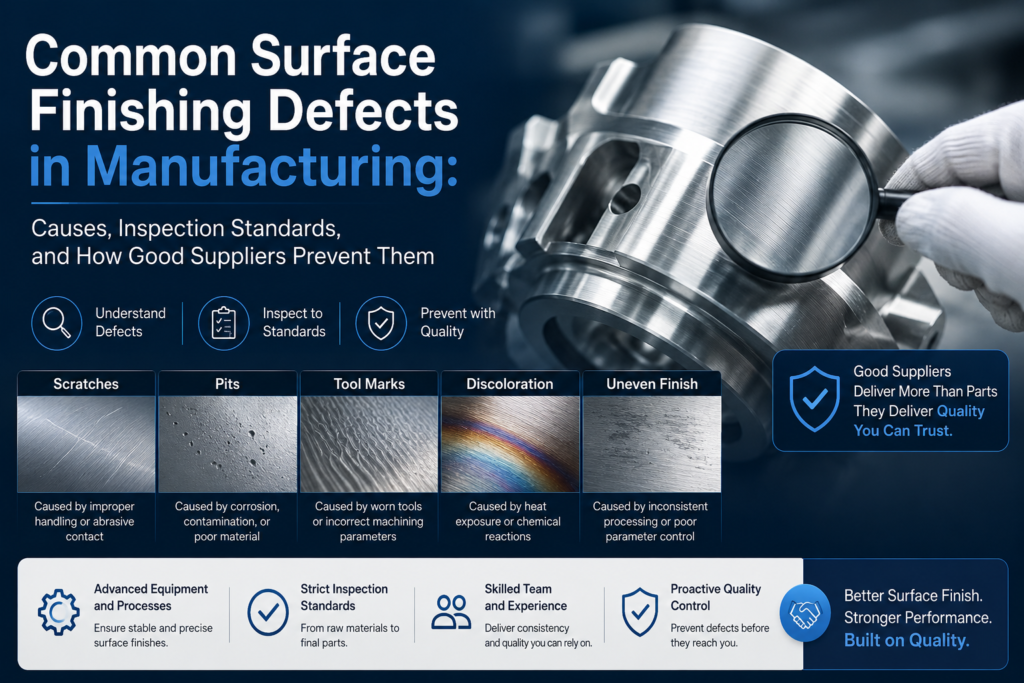
High-quality chrome plating is not only about the coating process itself. It depends on upstream manufacturing capabilities such as:
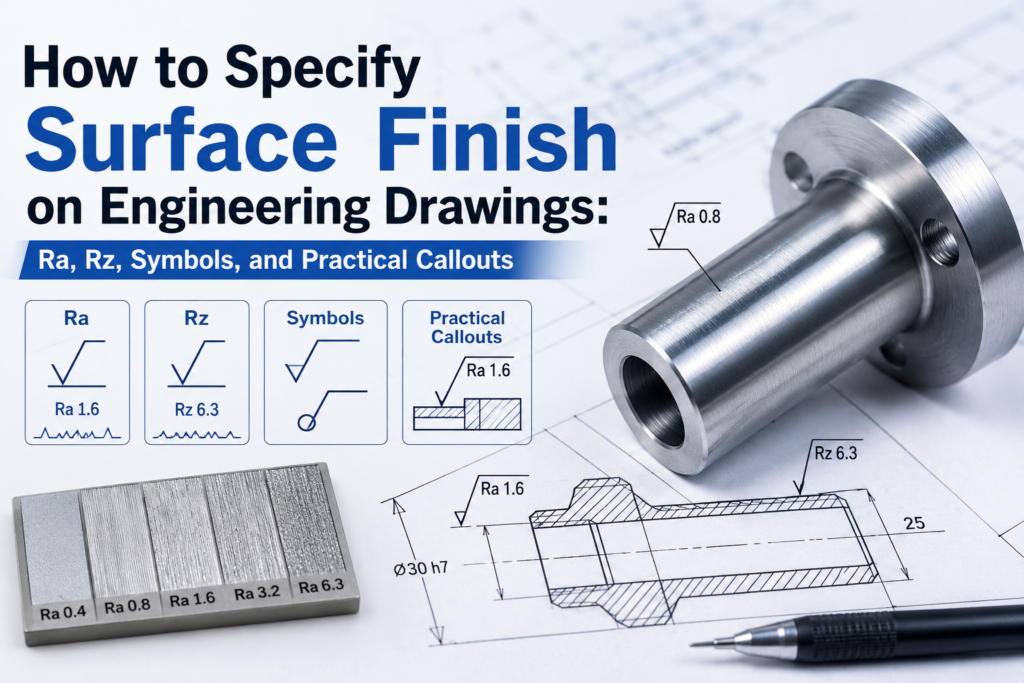
- Precision CNC machining for correct geometry and surface readiness
- Controlled surface finishing before plating
- Stable electroplating process control
- Strict quality inspection before shipment
These factors directly determine coating durability and long-term performance.
6. Industrial Applications
Chrome-plated components are widely used in:
- Automotive mechanical parts
- Industrial machinery components
- Precision equipment assemblies
- Lighting and hardware systems
- Medical and instrument components
In these industries, coating failure is often treated as a quality control issue rather than a cosmetic defect.
Conclusion
Chrome plating failure is typically caused by a combination of surface preparation, material quality, and process control issues rather than the chrome layer itself.
In industrial applications, minor defects may be corrected, but severe corrosion, peeling, or adhesion failure usually requires full replating to restore functional performance.
For precision components requiring CNC machining and surface finishing support, industrial-grade processing and strict quality control are essential to ensure coating reliability and durability.